Some trees you pass. Others slow you down.
The Iaqua Oak is an old one—a living expression of time in the Humboldt County hills, just inland from a coast defined by towering redwoods.
Continue reading “The Iaqua Oak and the Future of Old Trees”Educator • Author • Ecologist
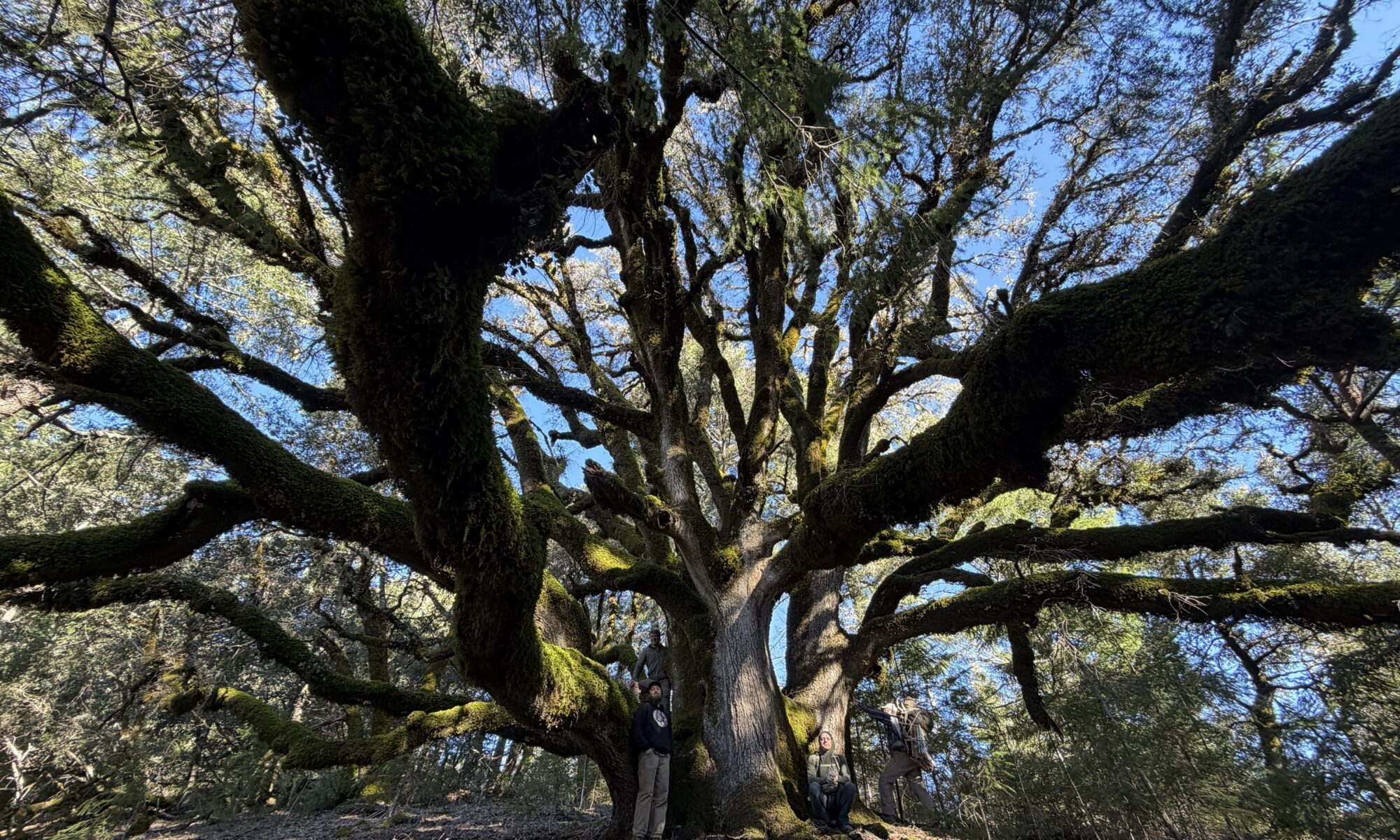
The Iaqua Oak is an old one—a living expression of time in the Humboldt County hills, just inland from a coast defined by towering redwoods.
Continue reading “The Iaqua Oak and the Future of Old Trees”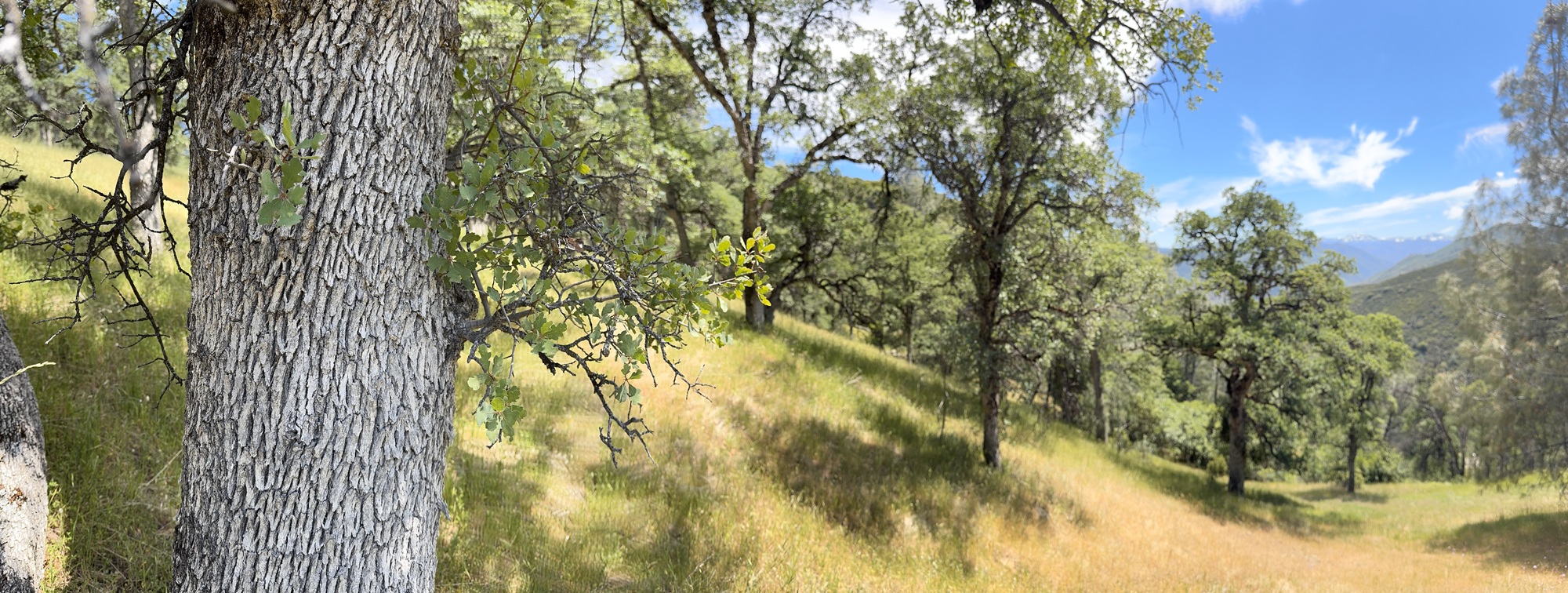
I first met Blue Oak (Quercus douglasii) when I moved to California as a young educator, living and teaching at SCICON, a school nestled in the Sierra Nevada foothills above the Great Central Valley. The property was draped in a mosaic of oak woodland, and it was the blue oak—with its pale, ghostly bark and seasonally bare branches—that became a familiar companion during daily lessons with sixth graders. At the time, I didn’t fully grasp what I had stumbled into, but I knew it felt like home. As a kid raised in the deciduous forests of the Appalachians, these leaf-losing oaks whispered a comforting language.
Continue reading “Blue Oak (Quercus douglasii)”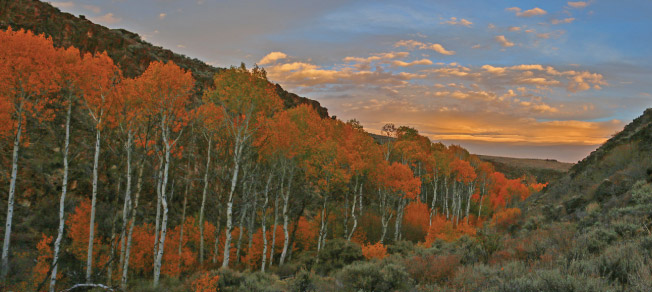
For me it is a time of rejuvenation and also my favorite season. With the shift of the California Current, rains begin to fall in California after a summer of drought. The high country along the Pacific Slope finds snow returning. While we retreat inside our homes, native plants and animals must adjust to the changes. Some birds migrate, mammals might hibernate, and some plants shed their leaves and “hibernate” for winter in their own way.
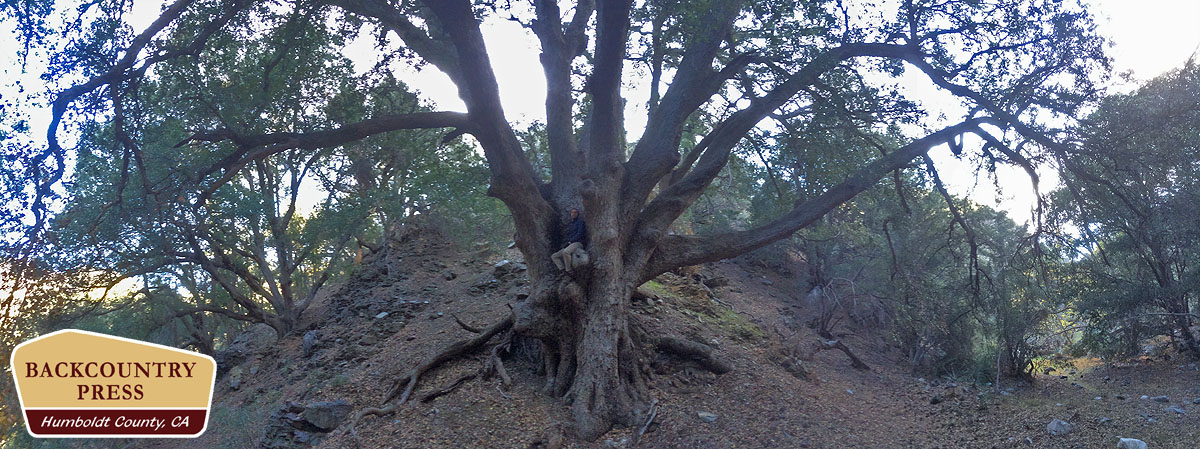
I fell in love with this Canyon Live Oak (Quercus chrysolepis) in 2002 while training to prepare myself to hike the Continental Divide Trail. One fateful night I inadvertently camped near it along a stream called Prairie Gulch. The tree has lived in my dreams ever since. In November 2015, the opportunity to return, revisit and measure the oak was offered while doing a botany project in the San Gabriel Mountains National Monument.