Klamath Mountains Winter Webinar Series
Educator • Author • Ecologist
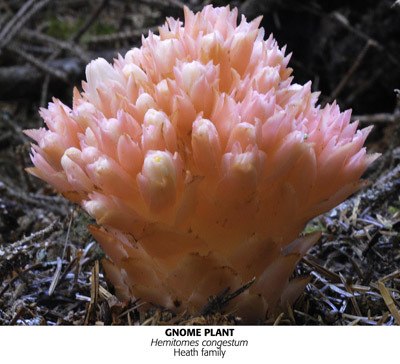
Green plants are considered autotrophs because they photosynthesize—making sugar from water and carbon dioxide. The world of heterotrophic plants is complicated but all have moved away from total energy production from photosynthesis toward obtaining organic carbon either directly from other living beings or through a parasitic relationship with a fungus. Heterotrophic plants include directly parasitic and mycotrophic forms. The conifer forests of the western United States nurture an exceptional diversity of heterotrophic plants and the Klamath Mountains may have the most heterotrophic plants in the western United States!
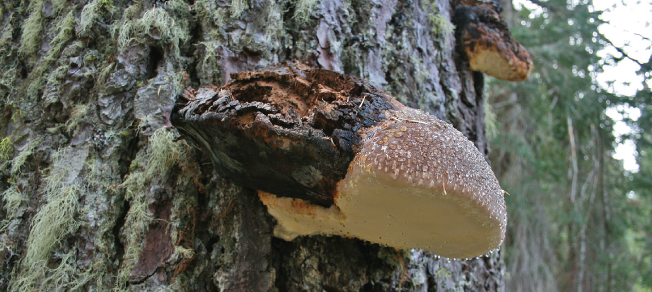
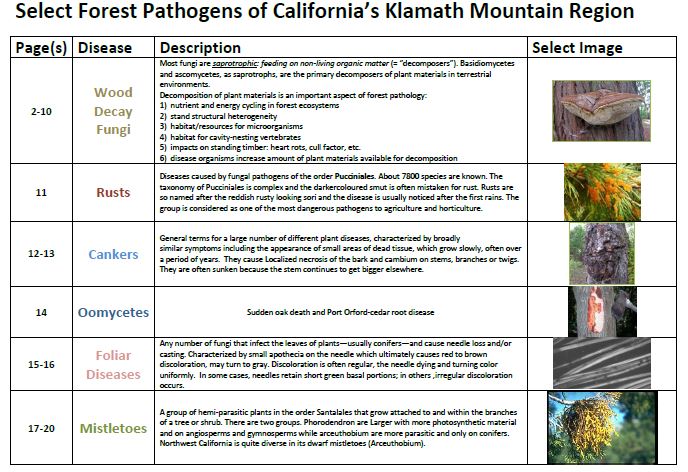
Continue reading “Heterotrophic Plants”Forest Pathogens often go unnoticed while exploring, but offer an exceptional window into the intricacies of forest ecology when better understood. I created the free document linked below in 2011 while in Grad School at Humboldt State. Forest Pathology was one of the more interesting classes I took while turning Conifer Country into my thesis for a Master’s Degree in Biology. Most of the information for this document was taken from Terry Henkel’s lecture notes as well as from internet and book sources–all cited within the document. I was recently reminded of this creation because of the October weather that has dropped unprecedented amounts of rain and nurtured fungal growth across Northwest California.

I have used various approaches which always involve careful map study, perusing the pages of hiking guides, and most importantly for me—studying field guides. As I get older, choosing a hiking destination is becoming more critical, with so much to see and even more to learn.
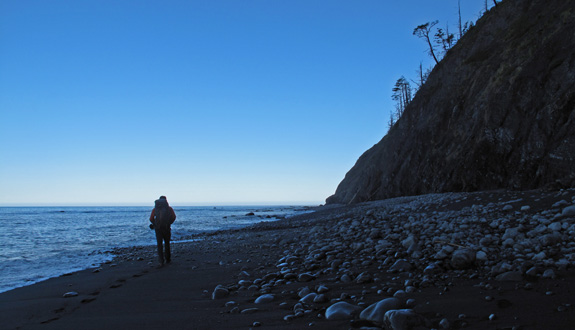
Over time, I have gone about choosing a hike based more as a destination for discovery before any other factor. I think I first caught the hiking-for-natural-discovery bug while selecting a backpacking route exclusively to see condors in the Sespe Wilderness of southern California. When I moved to Humboldt in 2002, I graduated from bird destinations to plant exploring as I began searching out rare and unusual conifer species in our local mountains. This regular wilderness sideline blossomed into a Master’s Degree from Humboldt State University when I published my first book Conifer Country: A natural history and hiking guide to the conifers of northwest California in 2012. For 10 years I hiked to find and understand trees. These trees, and the places they grow, helped me develop a deeper passion for place and an understanding of the unique natural history of northwest California.

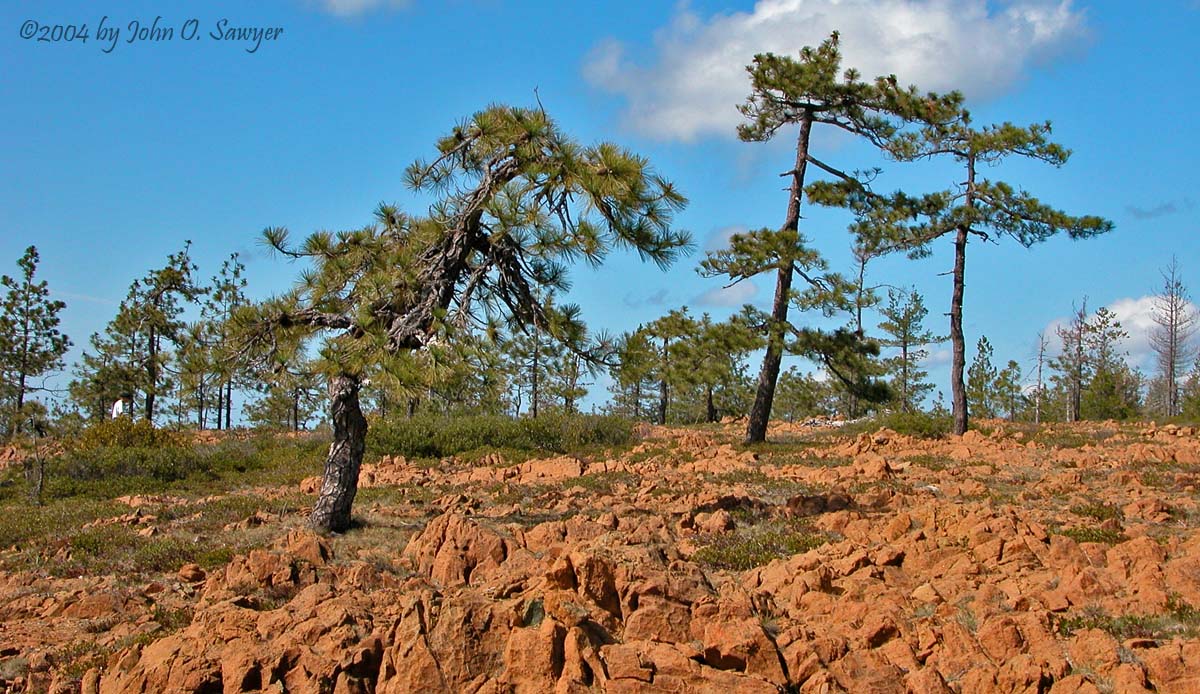
One of the most interesting geologic stories in western North America is told by the ultramafic rocks that were formed deep in the ocean floor. As the Pacific Plate collided and dove beneath (subduction) the North American Plate, the bottom layers from deep oceanic mantle were scraped (obduction) onto the North American Plate. These depositions are referred to as ophiolites and the Klamath Mountains present some of the most extensive examples on Earth.